
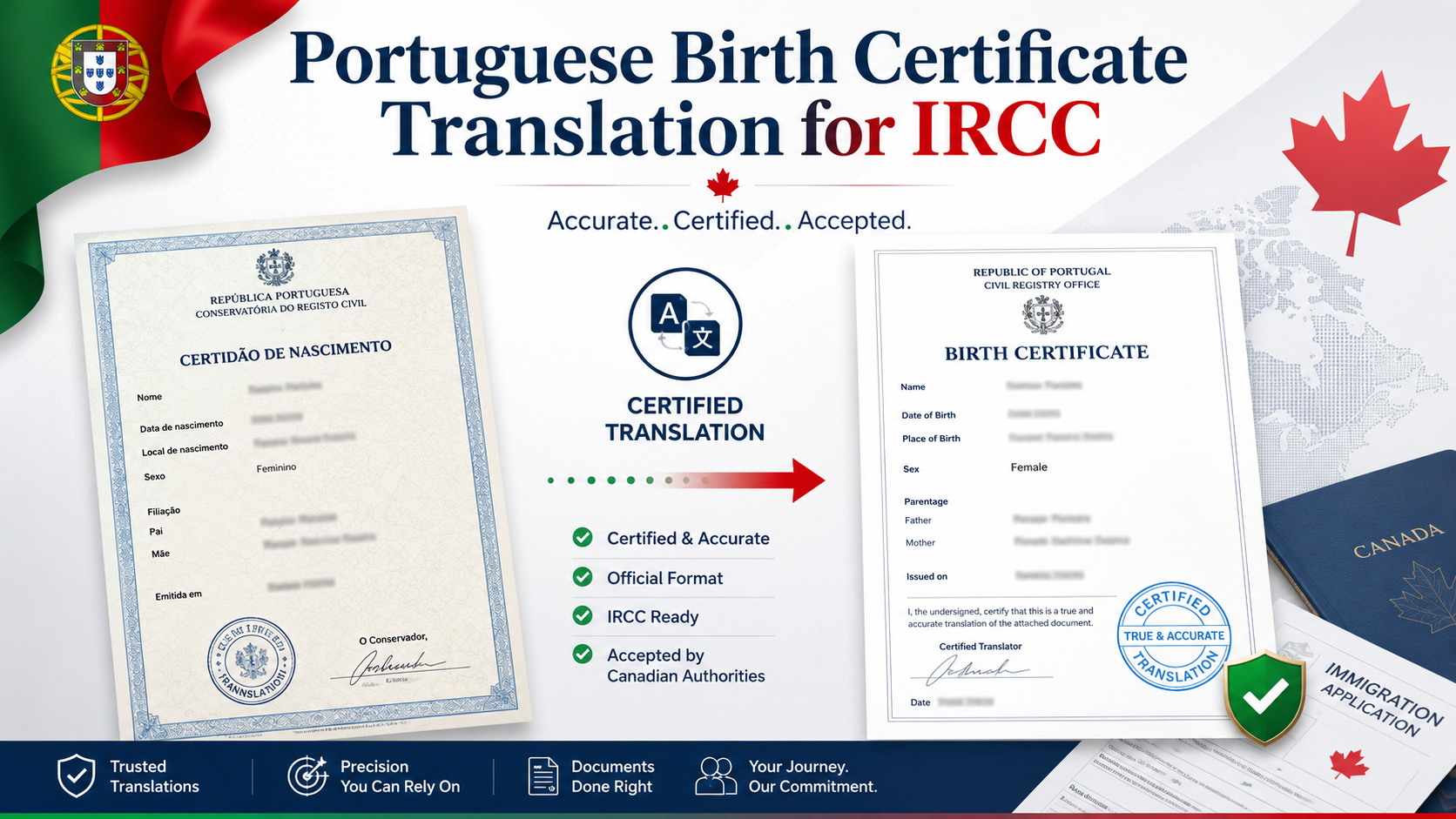
Understanding the Importance of Birth Certificate Translation for IRCC
Accurate translation of documents is crucial when dealing with the Immigration, Refugees and Citizenship Canada (IRCC). Among these documents, the birth certificate holds significant weight. It serves as a fundamental proof of identity and civil status, which is often required for various immigration processes, including permanent residency, citizenship applications, and family sponsorships. The IRCC mandates that all documents submitted must be in English or French, which means that any non-English birth certificate, including those in Portuguese, must be translated by a certified professional.
The consequences of improper documentation can be severe. Submitting a poorly translated or unverified document can lead to delays in processing, requests for additional information, or even outright rejection of an application. For instance, a mistranslation of critical data, such as a name or date of birth, can result in discrepancies that may raise red flags during the review process. Therefore, ensuring that your Portuguese birth certificate is accurately translated is not just a formality; it is an essential step in safeguarding your application against potential pitfalls.
Moreover, the IRCC has strict guidelines regarding the types of translations they accept. Translations must be done by a certified translator who is recognized by the IRCC, ensuring that the translation is both accurate and faithful to the original document. This requirement underscores the importance of using a professional service that specializes in IRCC documents, particularly for sensitive records like birth certificates.
What is a Portuguese Birth Certificate?
A Portuguese birth certificate, or “certidão de nascimento,” is an official document that records the birth of an individual in Portugal. This document serves multiple purposes, including proving identity, establishing citizenship, and providing essential information for legal and administrative processes. The birth certificate is typically issued by the civil registry office (Conservatória do Registo Civil) where the birth was registered.
There are two main types of birth certificates in Portugal: the “certidão de nascimento” (birth certificate) and the “certidão de nascimento integral” (full birth certificate). The standard birth certificate includes essential details such as:
- Full Name: The complete name of the individual as registered.
- Date of Birth: The exact date when the individual was born.
- Place of Birth: The location where the birth occurred.
- Parents’ Names: The names of the mother and father, which can be crucial for establishing lineage and citizenship.
- Registration Number: A unique identifier assigned to the birth record.
The full birth certificate may also contain additional information such as the individual’s civil status, any changes made to the name, and other relevant legal annotations. This comprehensive nature makes the birth certificate a vital document for various legal and administrative purposes, especially in the context of immigration.
Requirements for IRCC Documents
The IRCC has specific requirements for all documents submitted as part of an immigration application. These requirements are designed to ensure that all information is clear, accurate, and verifiable. When it comes to birth certificate translations, applicants must adhere to the following guidelines:
- Certified Translation: The translation must be performed by a certified translator who is recognized by the IRCC. This ensures that the translation is accurate and meets the necessary standards.
- Language Requirements: All documents must be translated into English or French. Submissions in other languages will not be accepted.
- Completeness: The translation must include all information present in the original document. Omitting details can lead to delays or rejections.
- Translator’s Declaration: The translator must include a declaration stating their qualifications and that the translation is a true and accurate representation of the original document.
- Format: The translated document should closely resemble the original in format, including any seals or stamps if applicable.
In addition to these requirements, applicants should ensure that their birth certificates are up to date. Any changes in personal information, such as a name change due to marriage, should be reflected in the birth certificate before translation. Failure to do so may result in inconsistencies that could complicate the immigration process.
When preparing to submit your application, it is advisable to check the IRCC’s official website for the most current requirements and guidelines, as these can change frequently. Staying informed will help you avoid common pitfalls associated with document submission.
Choosing a Certified Translation Service
When it comes to translating your Portuguese birth certificate for IRCC purposes, selecting a certified translation service is paramount. But what exactly qualifies as a certified translation? A certified translation is one that is completed by a professional translator who has the necessary credentials and expertise to ensure accuracy. This includes being a member of a recognized professional body or having specific certifications that validate their skills.
Using a professional service offers several benefits:
- Accuracy: Certified translators are trained to understand the nuances of both the source and target languages, ensuring that the translation is precise and reflects the original document’s meaning.
- Legal Compliance: Professional services are familiar with the IRCC’s requirements and can ensure that your translation meets all necessary legal standards.
- Timeliness: Experienced translation services can provide quick turnaround times, which is crucial when dealing with immigration deadlines.
- Confidentiality: Reputable translation services prioritize client confidentiality, ensuring that your personal information remains secure.
When selecting a translation service, consider checking their reviews, asking for references, and confirming their experience with IRCC documents. This due diligence will help ensure that you receive a high-quality translation that meets all necessary requirements.
The Process of Translating a Portuguese Birth Certificate
The process of translating a Portuguese birth certificate involves several key steps to ensure accuracy and compliance with IRCC standards:
- Document Collection: Gather the original birth certificate and any additional documents that may be required for context, such as identification or previous translations.
- Choosing a Translator: Select a certified translator or translation service that specializes in IRCC documents. Verify their credentials and experience.
- Translation: The translator will convert the document into English or French, ensuring that all information is accurately represented. This includes translating names, dates, and any official terminology.
- Quality Assurance: After the initial translation, a second translator may review the work to catch any errors or inconsistencies. This step is crucial for maintaining high standards.
- Certification: The translator will provide a certification statement, affirming the accuracy of the translation. This statement is essential for submission to the IRCC.
- Delivery: The completed translation is delivered to the client, often in both digital and hard copy formats. Ensure that the format matches the IRCC’s submission requirements.
Common challenges during this process can include variations in names due to cultural differences, discrepancies in date formats, and the need for specific terminology that may not have direct translations. A skilled translator will navigate these challenges effectively, ensuring that the final document is both accurate and compliant.
Cost Factors for Birth Certificate Translation in Canada
The cost of translating a Portuguese birth certificate in Canada can vary widely based on several factors. Understanding these factors can help you budget appropriately for your translation needs:
- Complexity of the Document: If your birth certificate includes additional annotations or requires extensive legal terminology, the translation may take longer and cost more.
- Turnaround Time: If you need the translation completed quickly, many services offer expedited options at a higher rate.
- Certification Fees: Some translation services may charge an additional fee for the certification process, which is necessary for IRCC submissions.
- Service Provider: Different translation services have varying pricing structures. It’s advisable to compare quotes from multiple providers to ensure you’re getting a fair price.
On average, the cost for translating a birth certificate in Canada can range from CAD 50 to CAD 150, depending on the factors mentioned above. It’s essential to communicate your needs clearly with the translation service to receive an accurate estimate. Remember, while cost is a consideration, the quality and accuracy of the translation should be your top priority.
Common FAQs about Portuguese Birth Certificate Translation
Why is a certified translation required for IRCC?
A certified translation is required to ensure accuracy and authenticity of documents submitted to the IRCC. The IRCC has strict guidelines on document submissions, and only translations from recognized professionals are accepted.
How long does it take to translate a birth certificate?
The time required to translate a birth certificate typically ranges from a few days to a week. This timeframe depends on the service provider’s workload and the complexity of the document.
What if my birth certificate is not in Portuguese?
Translation services can handle various languages. If your birth certificate is in a different language, ensure to check with the provider for specific requirements regarding the translation.
Can I translate my own birth certificate for IRCC?
Self-translations are generally not accepted by the IRCC. Professional certified translations are required to meet the necessary standards for document submission.
What information is typically included in a birth certificate?
A birth certificate typically includes the full name, date of birth, place of birth, and parents’ names, along with other vital statistics that may be relevant for legal and administrative purposes.
Client Testimonials and Success Stories
Real-life examples of successful translations can provide valuable insight into the impact of accurate document translation on clients’ immigration processes. For instance, one client shared their experience of submitting a Portuguese birth certificate translation for their permanent residency application. The client had initially attempted to use a non-certified translation, which resulted in delays and requests for additional documentation from the IRCC.
After engaging a certified translation service, the client received a professionally translated document that met all IRCC requirements. This not only expedited their application process but also provided peace of mind knowing that their documents were in order. The successful outcome of their application allowed them to settle in Canada with their family without further complications.
Another client highlighted how a timely and accurate translation of their birth certificate enabled them to reunite with family members in Canada through the family sponsorship program. The client emphasized the importance of using a professional service, noting that the quality of the translation made a significant difference in the approval of their application.
These testimonials illustrate the critical role that certified translations play in the immigration journey, emphasizing the need for accuracy and professionalism in handling essential documents.
Conclusion: Ensuring a Smooth Translation Process
In summary, the translation of a Portuguese birth certificate for IRCC purposes is a vital step in the immigration process. Understanding the importance of accurate translations, the requirements set forth by the IRCC, and the benefits of using a certified translation service can significantly impact the success of your application. By following the outlined steps and ensuring that you engage a qualified professional, you can navigate the complexities of document translation with confidence.
As you prepare your application, remember to double-check all documents for accuracy and completeness. Take the time to research and select a reputable translation service that specializes in IRCC documents. This diligence will help ensure a smooth translation process and ultimately contribute to the success of your immigration journey.